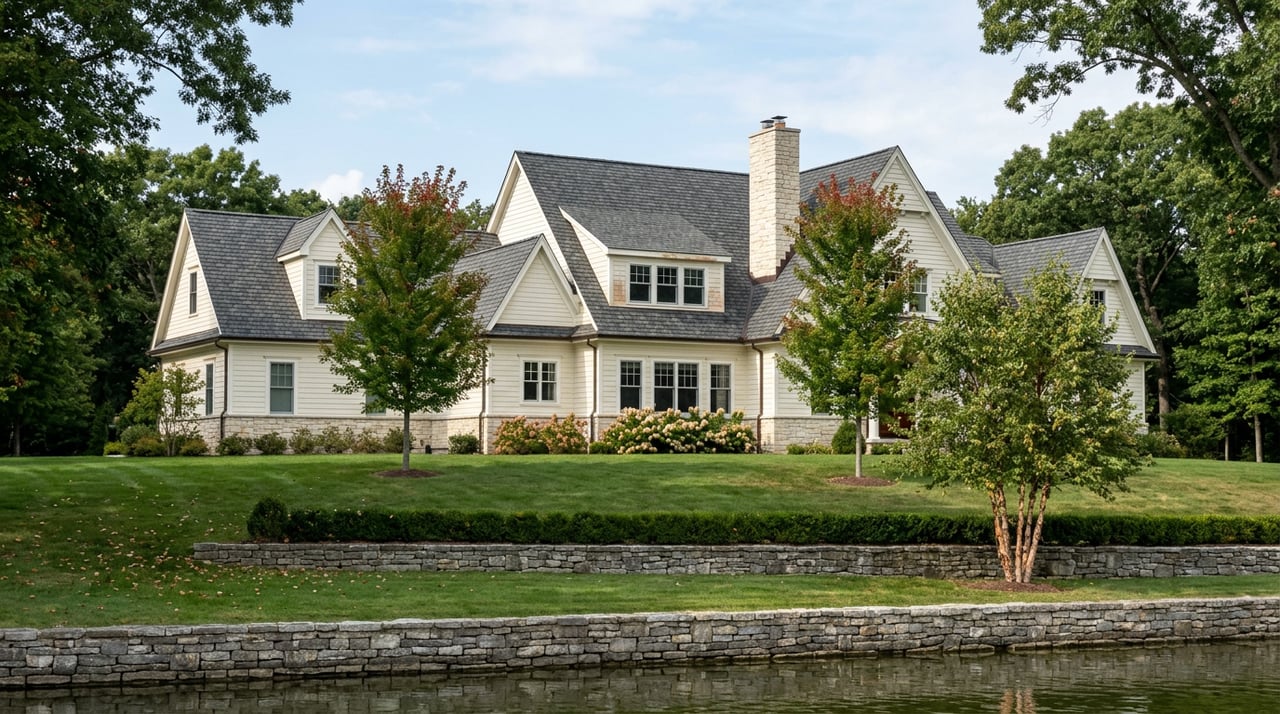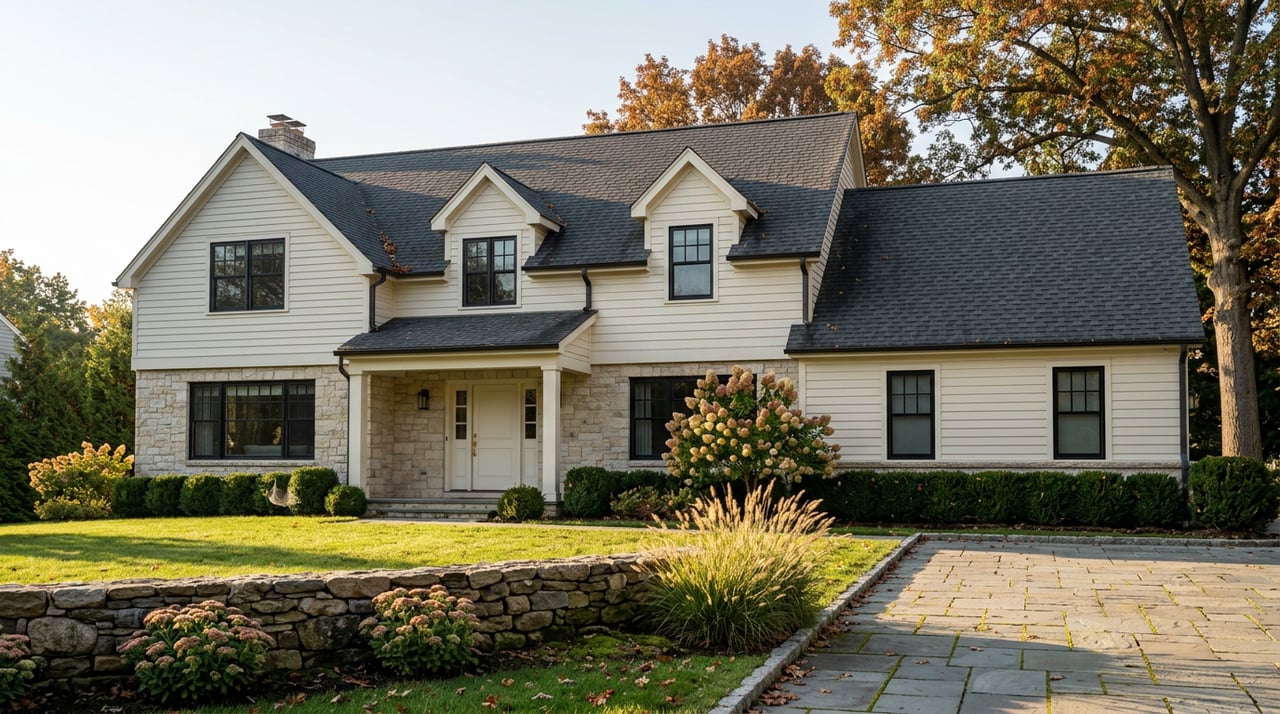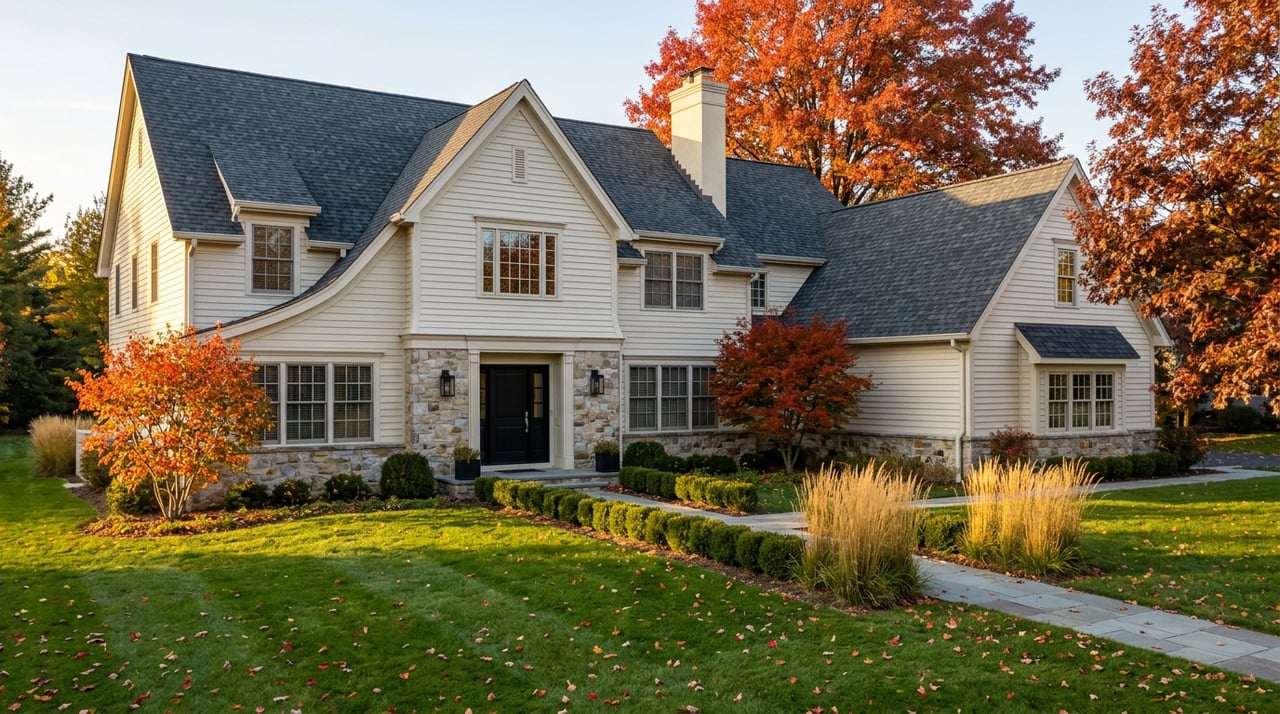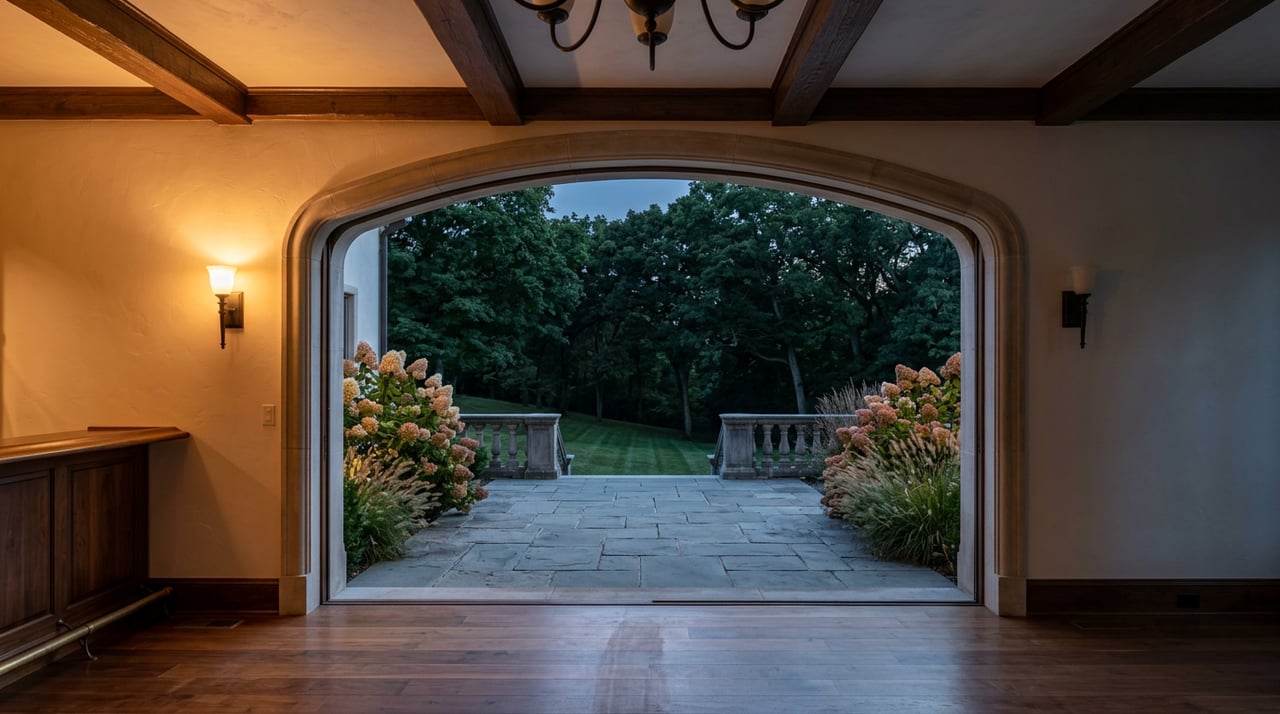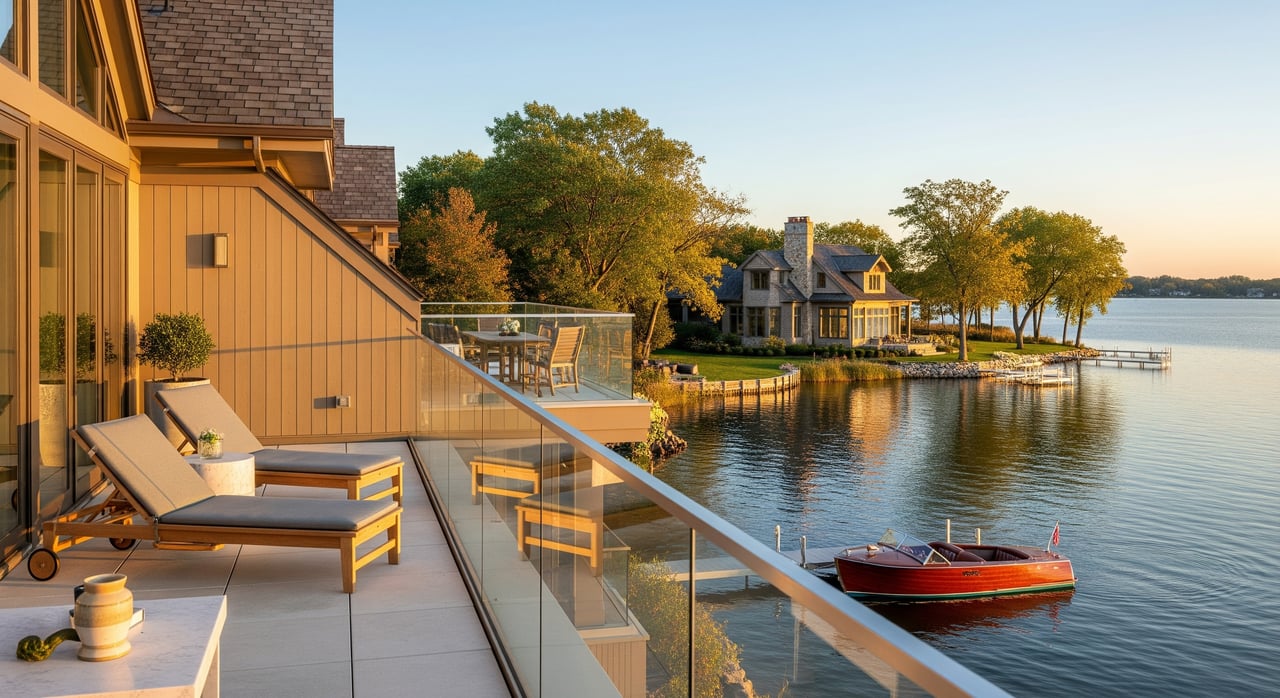
Picture this: a calm morning on Oconomowoc Lake, coffee in hand, boat lines ready, and the day ahead at your pace. The real question is how you want to live that lake life. Do you lean toward the lock-and-leave ease of a condo, or the privacy and control of a single-family home on the water? If you are weighing both options as a second home or downsizing move, you are in the right place.
In this guide, you will learn how condos and single-family homes on Oconomowoc Lake differ in ownership, costs, docks and shoreline control, rules, and day-to-day lifestyle. You will also get practical checklists for due diligence before you buy. Let’s dive in.
Big decision factors on Oconomowoc Lake
Oconomowoc Lake sits in Waukesha County with convenient access to Milwaukee and about an hour from Madison. That makes it popular for second-home buyers, downsizers, and year-round residents who want lake living with nearby dining and services in and around the City of Oconomowoc.
On this lake, single-family waterfront homes often carry a premium for exclusive shoreline and private docks. Condos with lake access or shared slips tend to attract buyers who value lower maintenance and community amenities. Your ideal fit comes down to how hands-on you want to be, how you plan to use the water, and what level of privacy you prefer.
Ownership and control
Condo ownership basics
In Wisconsin, condos are governed by state condominium statutes. You typically own the inside of your unit and share an undivided interest in the common elements, which can include the land, exterior, and shoreline features like docks when designated as common elements. The association’s declaration, bylaws, rules, budgets, and reserve studies set responsibilities, amenities, dues, and restrictions, including rules for pets, rentals, and boat slip allocation.
Single-family waterfront basics
Buying a lakefront house usually means you hold riparian rights subject to state and local regulations. You are responsible for your lot, shoreline structures, dock or boat lift, and exterior maintenance. If sewer is not available to the parcel, you will also manage a septic system. You control your property use within local shoreland zoning and permitting rules.
Docks and shoreline control
In a condo, docks and slips are often common elements managed by the association, with rules and fees that apply to all owners. Slip assignments may be guaranteed, rotational, or on a waiting list. With a single-family home, you generally control your dock and boat storage subject to state permitting and riparian rules. Shoreline changes and in-water structures require compliance with Wisconsin Department of Natural Resources guidelines and local approvals.
Costs and financing
Ongoing costs
- Condo: Monthly dues fund exterior maintenance, common areas, landscaping, snow removal, and usually insurance for the building’s exterior and common elements. Expect the possibility of special assessments for major items like roofs or seawalls.
- Single-family: No condo dues, but you cover all exterior maintenance, shoreline care, dock upkeep, snow removal, and any septic service. You may see occasional municipal or lake district assessments for shared projects.
Insurance and flood considerations
Condo owners typically carry an HO-6 policy for the interior and personal property while the association maintains a master policy for the building and common elements. Single-family owners carry a standard homeowners policy that covers the structure and site.
Flood risk is parcel specific. Many lakeshore properties fall near or within mapped flood zones, and lenders may require flood insurance based on the site’s elevation and FEMA maps. You can check a property’s status through the FEMA Flood Map Service Center for parcel-level guidance. Use the FEMA Flood Map Service Center to review flood zone designations before you write an offer.
- Visit the FEMA Flood Map Service Center for parcel flood information: FEMA Flood Map Service Center
Financing nuances
Financing for single-family waterfront homes is usually straightforward if the property meets appraisal standards. Condo financing can be more complex because lenders evaluate the project’s governance, budget, reserves, owner occupancy, and insurance. Government-backed loan programs may require project eligibility. Ask your lender early to verify whether the condo project meets their criteria.
Lifestyle and privacy
Water access and boating
Single-family homes generally offer exclusive riparian access, and the number of watercraft you can dock often relates to your frontage and local rules. Condos manage access by association policy. Not every unit may include a slip, and some buildings use waiting lists or charge additional fees.
Space and hosting
With a house, you have a private yard and shoreline, plus more flexibility for outdoor entertaining within local rules. Condo living brings neighbors and common areas closer, which can reduce privacy but increase social connection and convenience.
Maintenance time and ease
Downsizers and second-home owners often favor condos for low-hassle care. Exterior maintenance, landscaping, and snow removal are typically handled by the association. If you like full control of your space and do not mind hiring or coordinating vendors for shoreline, dock, and yard work, a single-family home can be a great fit.
Rules and permits to know
Shoreline properties are subject to specific state and local rules. Understanding them will help you plan renovations, dock placement, and landscaping.
Shoreland zoning basics
Wisconsin’s shoreland zoning framework is set under NR 115 and implemented by counties and municipalities. In Waukesha County, ordinances commonly address setbacks, height limits, impervious surfaces, and vegetation near the water. Start with the state overview, then confirm parcel-specific rules with the county and municipality.
- Learn the state framework here: Wisconsin DNR Shoreland Zoning
Docks, piers, and boathouses
Piers and in-water structures may require local permits and, in some cases, DNR approval. Dimensions, placement, and construction are regulated for navigational safety and shoreline protection. Condo associations often maintain common docks and seawalls, while single-family owners are responsible for their own structures.
- Review state guidance on piers and docks: Wisconsin DNR Waterways Guidance
Aquatic invasive species awareness
Oconomowoc Lake participates in regional aquatic invasive species prevention and monitoring. You will see cleaning protocols at launches and educational programs during peak season. Following clean, drain, dry practices protects the lake’s ecology and preserves boating quality.
- Read about prevention programs: Wisconsin DNR Aquatic Invasive Species
Which fits you best
Choose a condo if you want:
- Low maintenance with exterior care, landscaping, and snow removal handled.
- A community setting with shared docks, possible clubhouse or amenities, and coordinated management.
- Lock-and-leave convenience for a second home or frequent travel.
- Predictable ownership costs in the form of dues, with an eye on reserve strength and assessment history.
Choose a single-family home if you want:
- Privacy and control over your shoreline, yard, and dock use within local rules.
- Space for hosting larger gatherings on your terms.
- Flexibility to customize your landscaping and shoreline plantings if permitted.
- Direct responsibility for maintenance and an appetite to manage or outsource those tasks.
Due diligence checklists
For condo buyers
- Documents to request: Declaration, bylaws, rules, recent meeting minutes, budgets for the past 3 years, current reserve study, insurance certificates for the master policy, special assessment history, owner occupancy rates, any litigation, and slip allocation policy.
- Physical review: Unit inspection, building exterior, common docks and seawalls, snow removal and landscaping quality, guest parking, and boat storage logistics.
- Financing: Confirm the project’s eligibility with your lender and ask about dues trends and delinquency rates.
For single-family buyers
- Records to verify: Survey with littoral boundaries, riparian rights, shoreline and dock permits and history, septic inspection or sewer connection status, shoreline stabilization records, property tax history, and any lake district assessments.
- Physical review: Full home inspection, septic or lateral field inspection if applicable, dock and seawall structural evaluation, driveway access, and options for guest parking during busy weekends.
- Regulatory checks: Confirm setbacks, height limits, impervious surface caps, and potential for additions. Review flood status with FEMA maps and ask local officials about floodplain requirements.
Questions to ask in both cases
- How are docks, lifts, jet skis, and winter storage handled and who pays for repairs.
- Guest policies, quiet hours, and boating speed or curfew rules on Oconomowoc Lake.
- Short-term rental allowances and any municipal restrictions.
- Recent water quality updates, AIS treatments, and planned lake management projects that could affect costs or use.
What local regulations mean for your plans
State rules and local ordinances shape what you can do on the shoreline and in the water. Before you budget for a bigger pier, tear out a seawall, or plan a boathouse refresh, confirm whether your idea requires a local permit or DNR approval. Many improvements are possible with the right approvals, and early research prevents surprises.
If you are evaluating a condo, pay special attention to how the association manages common elements like docks, seawalls, and shoreline vegetation. Well-run associations plan for these long-term costs, and that planning shows up in the budgets and reserve studies you review.
Next steps on Oconomowoc Lake
Your choice comes down to the life you want on the water. If you prefer privacy and total control, a single-family home is likely the better match. If you want ease, amenities, and community, a condo may be the smarter move. Either way, be thorough with documents and inspections, and confirm rules before you commit to remodeling or new shoreline structures.
If you want a local perspective, we can tour listings by boat so you can see how each shoreline lives from the water. For guidance tailored to your goals, reach out to Kimberly Stark of Kimberly and Co. Real Estate. Schedule a free consultation and take the next step with confidence.
FAQs
Are condo slips on Oconomowoc Lake guaranteed for owners
- Not always. Slip allocation is set by each association and may be assigned to units, rented, or waitlisted with additional fees. Review the slip policy before you buy.
How do condo dues compare to house upkeep on the lake
- Condos usually have lower hands-on maintenance but ongoing dues and the potential for special assessments. Single-family owners avoid dues but pay for all exterior, shoreline, and dock upkeep directly.
What should I check about flood risk for a lake property
- Check the parcel on the FEMA Flood Map Service Center and ask your lender and insurer about flood requirements based on elevation and building details.
Who maintains docks and seawalls in a lakefront condo
- If docks and seawalls are common elements, the association typically maintains them. Confirm the responsibility, funding plan, and any special assessment history in the condo documents.
Can I rent a condo or lake house short term near Oconomowoc Lake
- Short-term rental rules depend on municipal ordinances and, for condos, association bylaws. Many associations limit or prohibit short stays. Verify both before you buy.