Improving the energy efficiency of a home can lead to significant savings on utility bills while also contributing to environmental sustainability. For homeowners looking to enhance their property's energy performance without spending a fortune, there are numerous cost-effective strategies available. These methods not only reduce energy consumption but also increase the comfort and value of a home. Exploring these options can provide practical solutions for those seeking to make their homes more energy-efficient.
Upgrade to Energy-Efficient Lighting
Switching to energy-efficient lighting is one of the simplest and most affordable ways to reduce energy consumption. Replacing traditional incandescent bulbs with LED or CFL bulbs can significantly lower electricity usage. These modern bulbs use a fraction of the energy and have a much longer lifespan, which means fewer replacements and lower costs over time. Additionally, energy-efficient bulbs produce less heat, contributing to a cooler indoor environment during warmer months.
Seal Windows and Doors
Drafty windows and doors can lead to significant energy loss, making it harder to maintain a comfortable indoor temperature. Sealing gaps and cracks with weatherstripping or caulking can prevent air leaks and improve energy efficiency. This simple step can help maintain consistent indoor temperatures, reducing the need for heating and cooling systems to work overtime. Homeowners can also consider installing draft stoppers at the base of doors to further minimize air leakage.
Install a Programmable Thermostat
A programmable thermostat allows homeowners to set specific temperatures for different times of the day, optimizing energy use based on occupancy and preferences. By automatically adjusting the temperature when the house is empty or during sleeping hours, a programmable thermostat can reduce unnecessary heating or cooling, leading to lower energy bills. Many modern thermostats also offer smart features, allowing for remote control via smartphone apps, providing convenience and further energy savings.
Add Insulation
Proper insulation is crucial for maintaining a home's energy efficiency. Adding insulation to attics, walls, and floors can significantly reduce heat loss in the winter and keep the home cooler in the summer. This improvement can lead to substantial energy savings by reducing the need for heating and cooling. Insulation materials vary in cost and effectiveness, so homeowners can choose options that fit their budget while still providing a good return on investment.
Use Energy-Efficient Appliances
Upgrading to energy-efficient appliances can have a significant impact on a home's overall energy consumption. Appliances with the ENERGY STAR label meet strict energy efficiency guidelines and can help reduce electricity usage. While the initial cost of these appliances may be higher, the long-term savings on utility bills can offset the investment. Common energy-efficient appliances include refrigerators, washing machines, and dishwashers.
Install Ceiling Fans
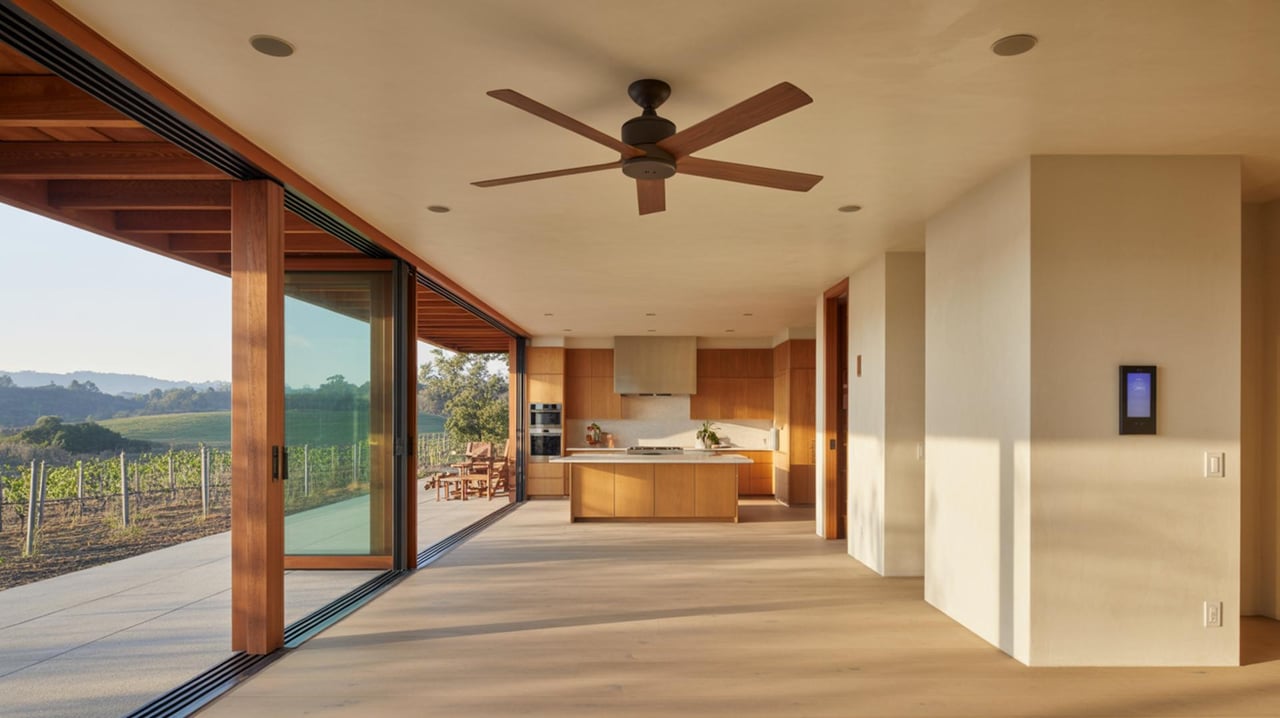
Ceiling fans are an effective way to improve air circulation and maintain a comfortable indoor climate without relying solely on air conditioning. In the summer, ceiling fans can create a cooling breeze, allowing homeowners to raise the thermostat setting without sacrificing comfort. In the winter, reversing the fan's direction can help distribute warm air more evenly throughout the room. This simple addition can enhance comfort and reduce energy costs year-round.
Utilize Natural Light
Maximizing the use of natural light can reduce the need for artificial lighting during the day. Homeowners can achieve this by opening curtains and blinds to let sunlight in, strategically placing mirrors to reflect light, and using light-colored paint on walls to enhance brightness. Not only does this reduce electricity usage, but it also creates a more inviting and pleasant living environment.
Conduct an Energy Audit
An energy audit can identify areas where a home is losing energy and provide recommendations for improvements. Professional auditors use specialized tools to assess a home's energy performance and suggest cost-effective upgrades. While hiring a professional may involve an upfront cost, the insights gained can lead to significant energy savings over time. Homeowners can also perform a basic DIY energy audit to identify obvious issues such as drafts or inefficient appliances.
Install Low-Flow Fixtures
Water heating accounts for a significant portion of a home's energy usage. Installing low-flow fixtures, such as showerheads and faucets, can reduce water consumption without sacrificing performance. These fixtures help conserve water and reduce the energy needed to heat it, leading to lower utility bills. Low-flow toilets can also contribute to water savings, further enhancing a home's overall efficiency.
Maintain HVAC Systems
Regular maintenance of heating, ventilation, and air conditioning (HVAC) systems is essential for optimal performance and energy efficiency. Simple tasks such as replacing air filters, cleaning vents, and scheduling annual professional inspections can ensure that HVAC systems operate efficiently. Well-maintained systems use less energy, provide better indoor air quality, and have a longer lifespan, resulting in cost savings and improved comfort.
Ready to Make Your Home Energy Efficient?
By implementing these cost-effective strategies, you can significantly reduce your energy bills and create a more sustainable living environment. Small changes can lead to big savings, and your home will be more comfortable year-round. If you're looking for more personalized advice or need help finding an energy-efficient home, Kimberly Stark of Kimberly and Co. Real Estate is here to assist you. Contact her today to start your journey towards a greener home.