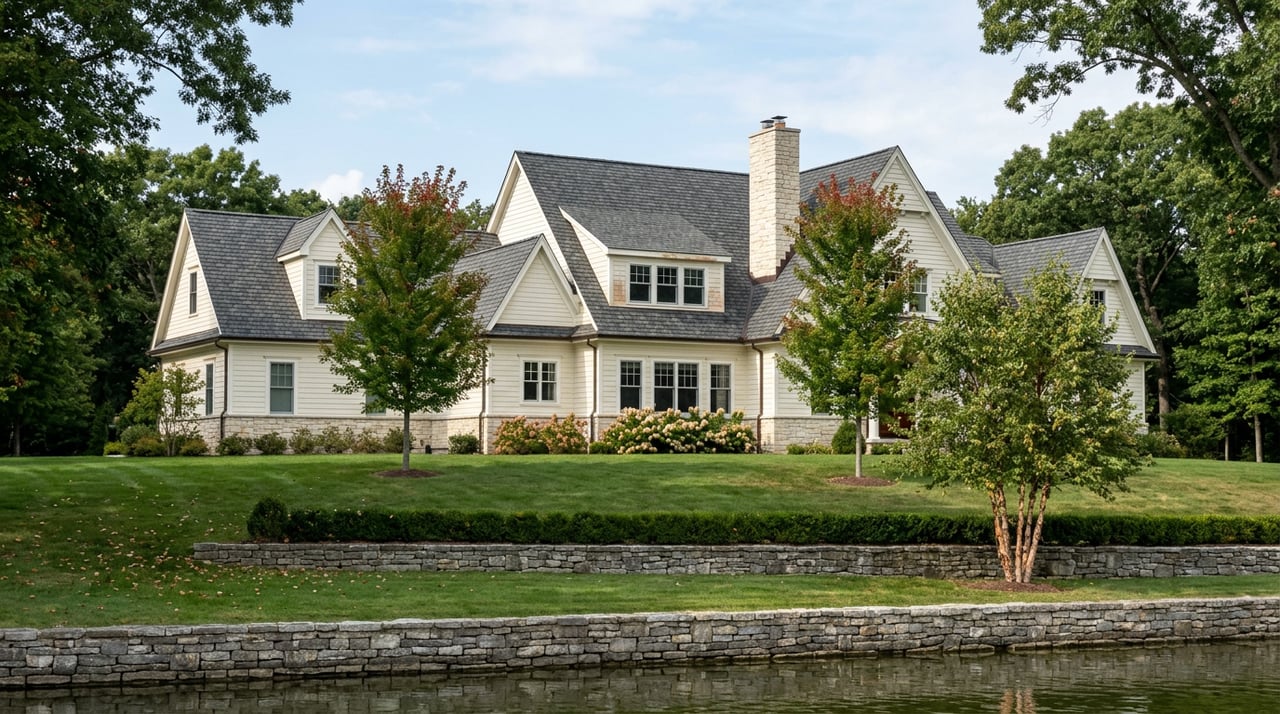
Buying your first lakefront home in Waukesha County can feel exciting and a little overwhelming at the same time. The view may win you over in seconds, but the details behind shoreline rules, water levels, docks, wells, and septic systems matter just as much. If you want to buy with confidence, this guide will help you focus on the questions and checks that protect your investment and your lake lifestyle. Let’s dive in.
Start With Local Waterfront Rules
Lakefront property comes with a different set of considerations than an inland home. In Wisconsin, waterfront ownership includes riparian rights, but those rights exist alongside the public trust doctrine, which means public rights can take priority when they conflict with private use.
That matters because not every improvement at the water’s edge is automatic or simple. The Wisconsin DNR notes that navigability and the ordinary high water mark help determine jurisdiction over waterfront projects, so even small plans can involve rules you need to understand before closing.
In unincorporated parts of Waukesha County, shoreland and floodland jurisdiction generally extends 1,000 feet from a lake or pond and 300 feet from a river or stream, or to the floodplain if that is farther. The county also makes clear that its zoning code does not apply within cities and villages, where municipal rules control instead.
Your first due diligence step is simple: confirm whether the property falls under county or municipal zoning. That answer shapes what rules apply to vegetation, setbacks, permits, and future improvements.
Expect the Shoreline To Change
One of the biggest first-time buyer mistakes is assuming the shoreline you see on showing day will always look the same. Waterfront property is dynamic, and both Waukesha County and the DNR note that water levels can rise and fall over time.
Rain, snowmelt, drought, groundwater, and lake type can all affect lake levels. That means your swimming area, pier depth, shoreline exposure, and even the look of the yard near the water may change from season to season.
This is one reason local lake knowledge matters so much in Waukesha County. A home that looks perfect in midsummer may feel very different during spring runoff, late fall drawdown, or winter ice season.
Tour In More Than One Season
If you can, visit a lakefront property more than once and at different times of year. UW Extension advises buyers to consider how the waterbody looks in different seasons, and that advice is especially useful for first-time buyers who are still learning what affects day-to-day enjoyment.
Summer often reveals water clarity, weeds, swimming conditions, and boat traffic. Winter can show you shoreline exposure, ice access, and how usable the property feels in the off-season.
Waukesha County’s own lake-access information highlights winter use on local lakes, including ice boating on Pewaukee Lake. That is a good reminder that lake living is not just a summer experience, and an off-season visit can reveal things a warm-weather showing will not.
You should also keep your expectations realistic about the shoreline itself. The DNR explains that some shorelines naturally have mucky bottoms or aquatic vegetation, and not every waterfront can or should be turned into a sandy beach.
Match The Lake To Your Lifestyle
Before you buy, think carefully about how you want to use the property. Are you picturing swimming from shore, keeping a boat at the property, kayaking in quiet water, or simply enjoying the view from a patio?
Those goals should guide your due diligence. The DNR recommends reviewing lake maps, water-quality information, and lake-specific materials before buying so the property matches your intended use.
A pretty view alone is not enough. You want to know whether the conditions support the lifestyle you actually want, whether that means easier boating access, better swimming conditions, or fewer surprises during lower-water periods.
Go Beyond The Standard Home Inspection
A general home inspection is important, but it is only part of the picture with lakefront property. Waterfront homes often have systems and site conditions that deserve extra attention.
If the property has a private well, the Wisconsin DNR says a property-transfer well inspection is optional, but if you choose one, it must be completed by a licensed water well driller or licensed pump installer. Some lenders may also require a well inspection as part of the financing process.
Waukesha County can perform private well and septic evaluations for a sale or refinance, and the county laboratory can test well water for bacteria and other common issues. The county also advises private well owners to test yearly or after any change in taste, odor, color, or appearance.
If the property uses a septic system, ask for maintenance records early. Waukesha County’s septic maintenance program typically requires pumping and or inspection about every three years, and a sanitary permit is required for new, modified, replacement, or additional private sewage systems.
Specialists Worth Considering
Depending on the property, you may want to line up:
- A licensed well professional
- Well water testing through county resources
- A septic evaluation
- Zoning clarification from the county or municipality
- DNR guidance if you are planning in-water improvements
This kind of upfront work helps you avoid buying a view with hidden costs attached.
Budget For Ownership, Not Just Closing Day
Lakefront homes often carry ongoing costs that first-time buyers do not fully expect. Your budget should include more than your mortgage, taxes, and insurance.
Flood risk is one of the biggest items to review. Waukesha County states that flooding is the most common and costly disaster in Wisconsin, and it also notes that homeowner’s insurance usually does not cover flood damage.
The county says flood insurance may be purchased even outside a mapped floodplain. It also notes that flood boundaries may require a field survey for precision, which is worth remembering if a map raises questions about the house, shoreline, or future improvements.
If the home has a private well, you should budget for testing and any water treatment that may be needed over time. If it has septic, plan for regular pumping, inspections, and possible repairs as part of long-term ownership.
Shoreline maintenance can also affect your budget. The DNR says most shoreline erosion projects require permits, encourages biological or native vegetation methods when possible, and discourages seawalls. Waukesha County also regulates vegetation removal in shoreland areas.
Understand Docks, Piers, And Waterfront Structures
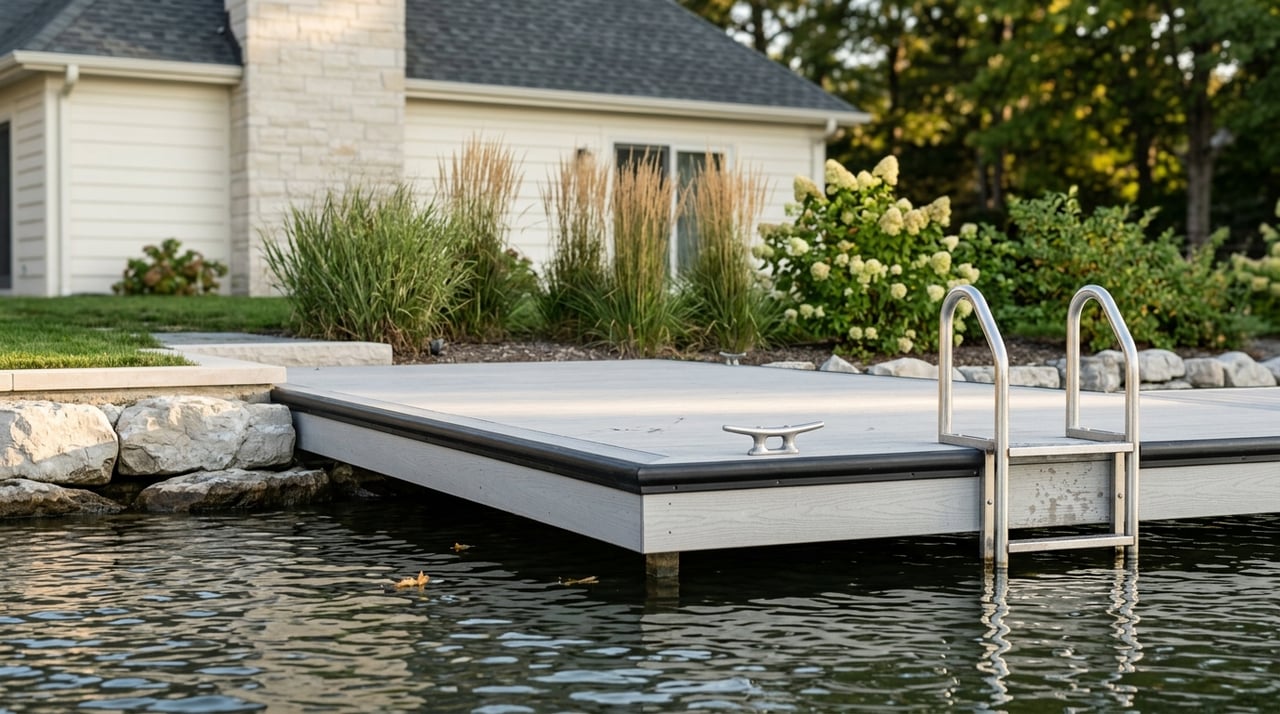
For many buyers, access to the water is a huge part of the dream. But with piers, docks, swim rafts, boat shelters, and boathouses, you should verify what already exists and what is actually allowed.
The DNR states that new piers can be exempt only if they meet certain size and slip standards, and the number of slips is tied to shoreline frontage. For a new non-commercial pier, the DNR says up to two boat slips are allowed for the first 50 feet of shoreline owned, with additional slips tied to additional frontage.
The DNR also states that new wet boathouses are prohibited. So if a property’s appeal depends on changing or expanding a waterfront structure, you will want to confirm the legal status and rules before you move forward.
Even in low-water conditions, waterway rules still apply. That is why it is smart to ask questions early if you are considering a new pier, shoreline work, or a major outdoor upgrade.
Check Your Access Plan
Not every lakefront buyer plans to keep every recreational item at home. If you expect to use public boat launches, Waukesha County maintains lake-access sites at several lakes and offers annual memberships or daily permits.
The county also provides boat-cleaning stations to help prevent the spread of aquatic hitchhikers. That can be a helpful convenience if you plan to trailer a boat rather than dock it at your property.
The DNR recommends removing attached plants and animals, draining water, and allowing boats and gear to dry before moving to another waterbody. That routine should be part of your ownership plan and budget from day one.
Questions To Ask Before You Close
As you narrow your search, keep a focused list of lakefront questions. A beautiful setting should always be paired with clear answers.
Ask questions like these:
- Is the parcel under county zoning or municipal zoning?
- What shoreland, floodplain, or vegetation rules apply here?
- Has the shoreline ever flooded, eroded, or required repairs such as riprap or beach work?
- Is there a private well, and when was it last tested?
- Are there any unused wells on the property?
- Is there a septic system, and is the county maintenance record current?
- Does the property have an existing pier, dock, or boat shelter, and what is its current legal status?
- How does the lake behave in different seasons?
- Are there known issues with weeds, algae, low water, winter access, or launch fees?
These questions can help you compare properties more clearly and spot issues before they become expensive surprises.
Why Local Guidance Matters In Waukesha County
Buying your first lakefront home is not just about finding a house on the water. It is about understanding how the property functions across seasons, how local rules affect your plans, and what ownership will really cost over time.
In Waukesha County, details like zoning jurisdiction, floodplain questions, well and septic systems, and DNR shoreline rules can all shape your decision. When you have local guidance from someone who understands Lake Country living, you can move forward with more clarity and less guesswork.
If you are starting your search for a first lakefront home in Waukesha County, Kimberly Stark of Kimberly and Co. Real Estate can help you evaluate properties with the local insight and personal guidance that lake buyers need.
FAQs
What should first-time lakefront buyers in Waukesha County check before making an offer?
- Confirm whether the property is under county or municipal zoning, review floodplain and shoreland rules, ask about well and septic history, and verify the legal status of any pier, dock, or shoreline improvements.
Why should lakefront buyers in Waukesha County visit a property in different seasons?
- Seasonal visits can reveal changes in water levels, weeds, boat traffic, shoreline exposure, winter access, and off-season usability that you may not notice during a single summer showing.
Do lakefront homes in Waukesha County often have private wells and septic systems?
- Some do, and if a property has either system, you should review maintenance records, consider inspections or evaluations, and budget for ongoing testing, pumping, inspections, and possible repairs.
Can you change the shoreline on a lakefront property in Waukesha County?
- Not always, and many shoreline or in-water changes may require county zoning review, DNR review, or both, depending on the property location and the type of work planned.
What should buyers know about flood insurance for lakefront homes in Waukesha County?
- Waukesha County says homeowner’s insurance usually does not cover flood damage, and flood insurance can be purchased even outside a mapped floodplain.
What should buyers ask about docks and piers on Waukesha County lakefront properties?
- Ask whether the structure is existing and legally compliant, whether planned changes would meet DNR standards, and how shoreline frontage affects the number of allowed slips.