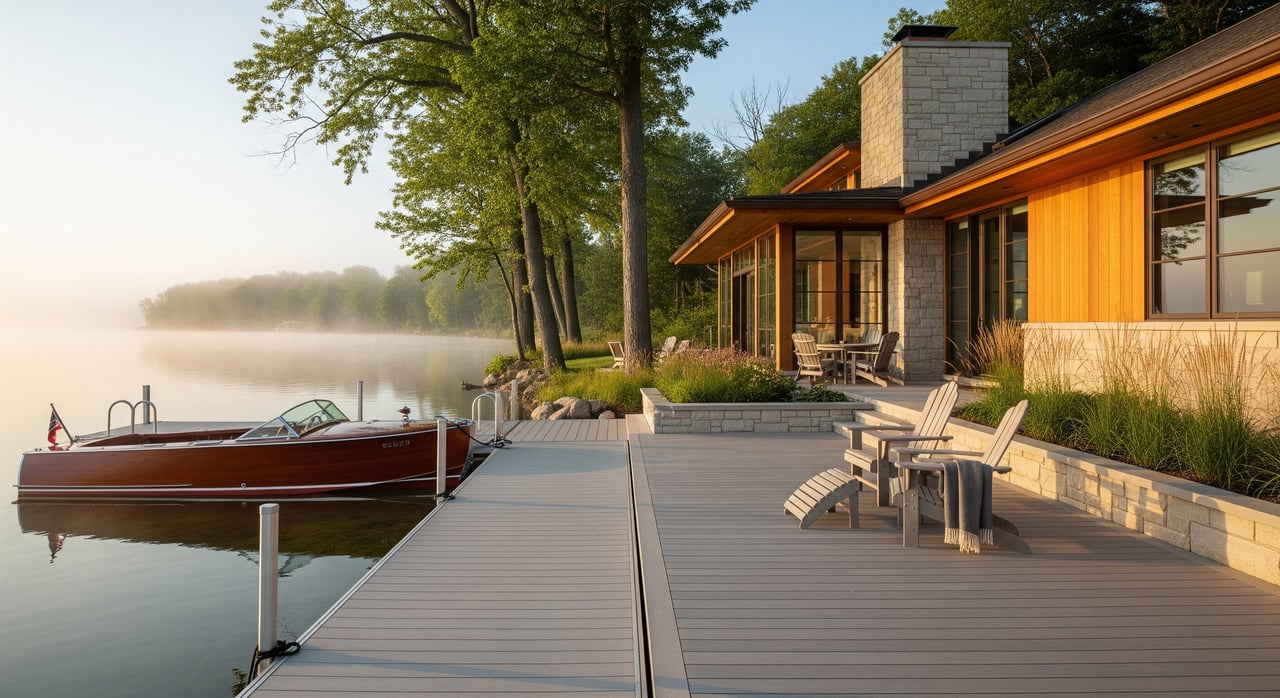
Thinking about trading your Milwaukee routine for sunrise paddles, small-town coffee runs, and summer nights on the water? If Lake Country has been on your mind, you are not alone. Many Milwaukee County residents look northwest for more space, lake access, and a calmer pace that still keeps you connected to the city. In this guide, you will learn how Lake Country is defined, what daily life looks like, how the commute really feels, and the due diligence steps that make a smooth move. Let’s dive in.
What “Lake Country” means
Lake Country refers to the cluster of lake-centered communities in northern Waukesha County and nearby areas. The core includes Pewaukee, Delafield, Hartland, Merton, Oconomowoc, Okauchee, and the Watertown corridor. Key lakes include Pewaukee Lake, Lac La Belle, Okauchee Lake, Nagawicka Lake, Oconomowoc Lake, and Fowler Lake. The exact boundary is informal, so experiences vary by the specific parcel.
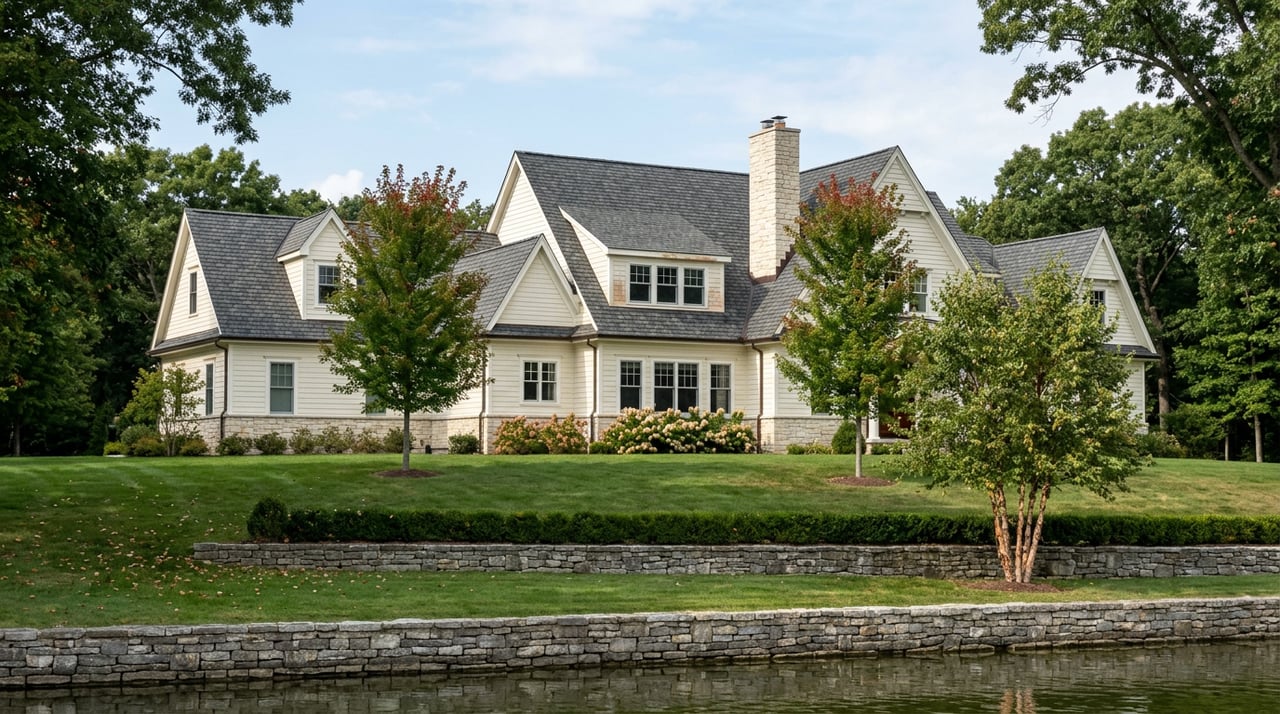
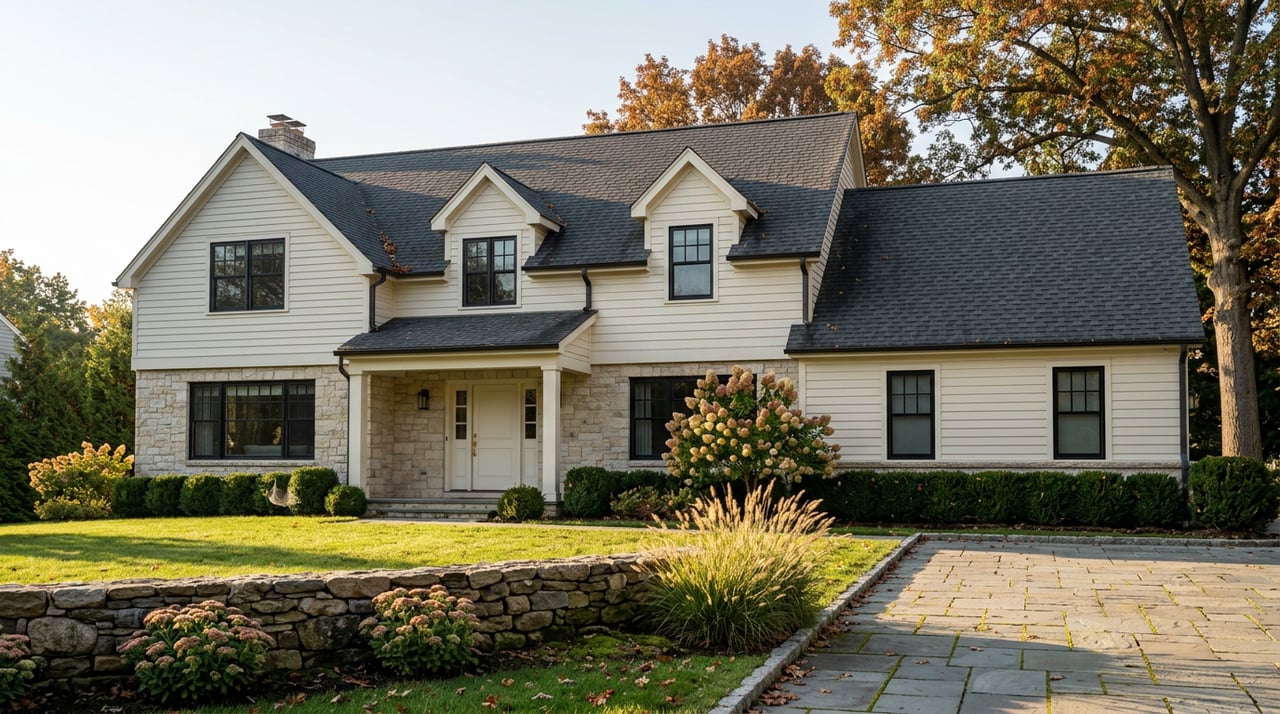
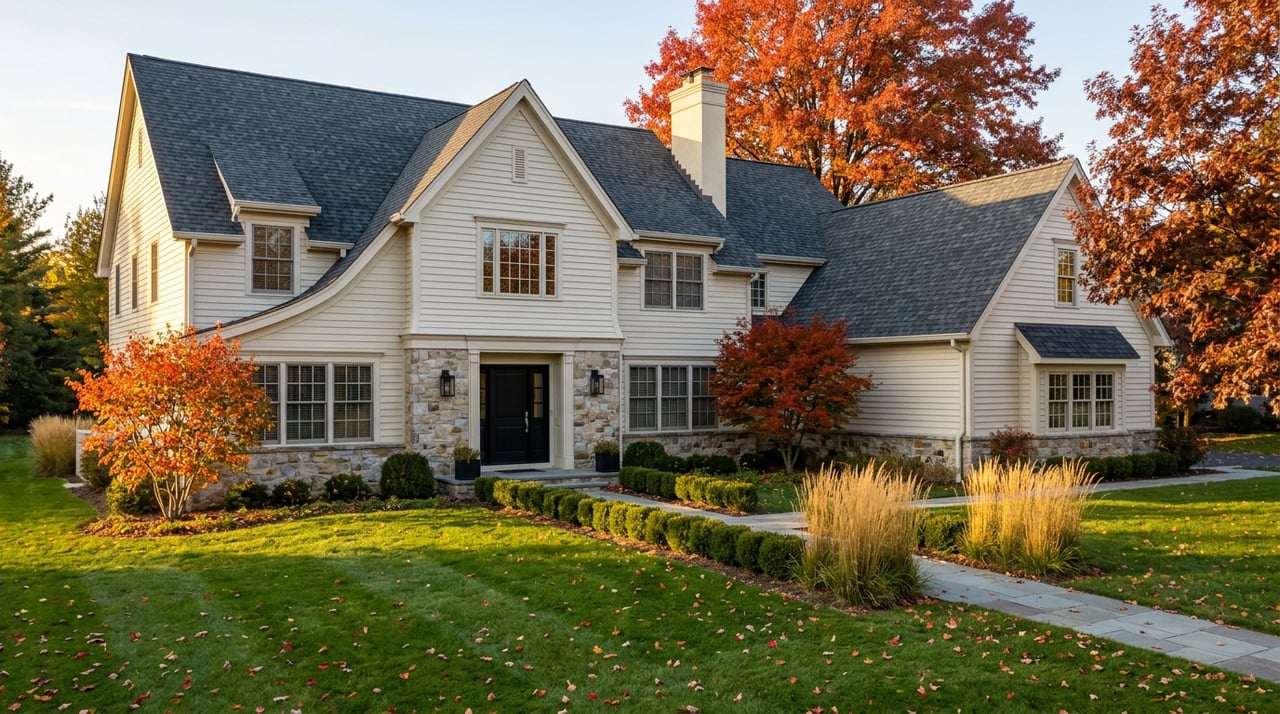
You will find a mix of real estate options. These range from lakefront cottages and estates to historic downtown homes and condos. There are also suburban single-family neighborhoods and newer subdivisions, plus small-acreage properties near woodlands and wetlands. Many Milwaukee buyers come for outdoor recreation, small-town amenities, and a lower-density feel within a reasonable drive of the city.
Commute and getting around
Most Lake Country-to-Milwaukee trips rely on I-94 for east–west travel, with I-41/US-45 connecting some routes, and Highway 16 feeding into the freeway. Local arterials like Pewaukee Road, Genesee Road, County K, and County Q link town centers to interchanges. For planning, use official travel resources from the Wisconsin Department of Transportation to check construction and traffic trends.
Typical drive ranges depend on where you start and when you leave. From closer-in towns like Pewaukee and Delafield, expect around 25 to 40 minutes to downtown in off-peak hours, and 30 to 50 minutes or more during rush hour. From Oconomowoc, Okauchee, or Nashotah, plan on roughly 35 to 60 minutes depending on traffic. Weather, construction, and summertime weekend lake traffic can extend times.
Public transit coverage is more limited than in Milwaukee’s inner neighborhoods. Some corridor park-and-ride and express options exist, but service is not frequent in many Lake Country towns. If you depend on transit, verify routes and schedules in advance. Most residents drive for daily needs, and many families plan errands around their work commute.
Pro tip for your search: do at least one test drive during weekday rush hour to your most frequent destination. Also try a weekend trip for groceries or recreation to feel summer traffic patterns. If you are planning to live here year-round, ask locals about winter plowing, safe speeds, and how storms affect your route.
Lake living realities
Lake Country summers are all about boating, swimming, paddling, fishing, and lakeside patios. Spring and fall offer quiet shorelines and great hiking views. Winter can bring ice fishing, snowmobiling in designated areas, and cross-country skiing, but water recreation is seasonal.
It helps to understand how lake access works before you shop. You will see a few different setups:
- Public boat launches. Usually operated by municipalities or the state, they provide ramp access for trailered boats. Summer weekends can be busy. For boating rules, safety, and launch information across Wisconsin, start with the Wisconsin DNR’s boating resources.
- Private marinas and commercial harbors. These may offer wet slips, dry stack storage, fueling, pump-out, winterizing, and service. Many keep waitlists for slips and winter storage, so ask early.
- Private docks and riparian rights. Many lakefront parcels include dock rights, but rules vary by parcel and municipality. Shoreline projects often require permits and may be reviewed by local officials and the state. For permitting and shoreland guidance, see the DNR’s Waterways and permitting pages.
Budget for lake-specific costs. If a property does not include a private dock or transferable slip, you may have annual fees at a marina. Add winterization, haul-out, shrink-wrap, and storage to your yearly plan. Lakefront owners often handle shoreline maintenance, periodic dock repairs, and in some areas, seawalls or erosion projects.
Be mindful of environmental and regulatory rules. Wisconsin’s shoreland protections influence setbacks, vegetation removal, new docks, and seawalls. Some lakes have control structures that affect water levels, which can change shoreline access from season to season. Before you commit to a property, review your intended shoreline projects with your municipality, county zoning, and the DNR. Waukesha County’s website is also a helpful first stop for parcel maps, floodplain overlays, and permits. You can start at the Waukesha County homepage and navigate to Land Information.
Town centers and daily life
Lake Country offers several charming downtowns and village cores. Walkability tends to be strongest within these centers, while many residents drive for larger errands if they live outside the core.
- Delafield. A historic downtown with boutique retail, dining, and lakeshore parks. For local services and events, explore the City of Delafield’s website.
- Oconomowoc. A larger city center with shopping, dining, and two lakes framing downtown. City information, parks, and permits are available on the City of Oconomowoc site.
- Pewaukee. A Main Street and lakefront that buzz in summer, plus growing residential options around the village and city.
- Hartland. A village downtown with restaurants, a seasonal market, and walkable neighborhoods.
- Wales, Merton, and nearby hamlets. Smaller centers with a more rural feel and quick access to trails and lakes.
You will find local cafés, parks, boutique shops, and community events across these towns. Many buyers like to test daily life by grabbing coffee, parking near a public lakefront, and walking a few blocks to see how the area feels on a weekday and on a summer weekend.
Services, utilities, and costs
Utility setups vary by parcel. Town centers and some lake neighborhoods connect to municipal sewer and water, while many rural parcels rely on private wells and septic systems. Septic care is a recurring responsibility and can affect renovation plans.
Property taxes differ by municipality and school district levy. Lakefront homes often carry higher assessed values, which translates to higher taxes. Insurance premiums for waterfront homes can also be higher, and some owners add flood or windstorm coverage. In lake-focused subdivisions and condos, HOAs may set rules for docks, exterior changes, parking, and short-term rentals. If you are drawn to a specific property, review these details early.
Schools and boundaries
School district boundaries do not always match municipal lines in Lake Country. Prominent districts include Oconomowoc Area School District, Arrowhead, and Kettle Moraine. To understand programming and boundaries, start with the Oconomowoc Area School District, Arrowhead Union High School, and the Kettle Moraine School District. Always confirm a specific parcel’s assigned schools, transportation policies, and extracurricular offerings with the district.
Key tradeoffs to weigh
Every move comes with tradeoffs. Here are the common ones Milwaukee buyers consider:
- Lifestyle vs commute. You gain outdoor space, lake access, and a quieter setting, but commutes can be longer or less predictable, especially with summer traffic or winter weather.
- Property type vs maintenance. Lakefront homes and docks require ongoing care and sometimes complex permitting. Inland homes or condos may offer lower maintenance.
- Walkability vs larger retail. Town-center living is charming and convenient for daily errands, but you may still drive for big-box shopping. Lakefront and historic areas usually carry a price premium.
- Municipal differences. Services, utilities, rules, and taxes vary by town. Verify specifics for the parcel you are considering.
A smart due diligence checklist
Bring this list to showings and conversations so you can verify details before you write an offer.
- Confirm the exact municipality and school district for the parcel. Districts can cross municipal lines.
- Use county GIS and assessor tools for lot lines, easements, assessed value, and recent sales history. The Waukesha County site links to these resources.
- If applicable, schedule a septic inspection and well water test. Review maintenance records and system capacity.
- Check floodplain status with FEMA and county maps. Ask about any past flood claims and water-level control structures near the lake.
- Verify shoreline and dock rights. Ask for permits, maintenance records, and whether a dock or slip is included and transferable.
- Call local marinas about slip availability, waitlists, and fees if you need off-site storage.
- Request HOA covenants, restrictions, and fee schedules. Look for any rules that affect waterfront use.
- Confirm municipal and DNR rules for additions, retaining walls, seawalls, docks, and vegetation removal.
- Talk to neighbors or a lake association about seasonal traffic, algae or invasive species trends, and community events.
- Build your budget for recurring costs like slip fees, winterizing, dock maintenance, septic pumping, property taxes, and possible special assessments.
- Run your commute during typical work hours and visit on a peak summer weekend to experience parking and boat-launch conditions.
Plan an exploratory visit
A couple of well-timed trips can tell you a lot about daily rhythms.
- Weekday visit. Test your commute during morning or evening rush. Stop at a grocery store and a pharmacy you would likely use.
- Weekend summer visit. Walk downtowns, visit a public launch or marina, and see how parking and lake activity feel. If you are eyeing Delafield or Oconomowoc, browse their official pages for parks and event calendars on the City of Delafield website and the City of Oconomowoc site.
- Winter check. If year-round living is your plan, ask locals about snow removal, wind on open roads, and travel times after storms. For travel updates and construction, use WisDOT’s official site.
Questions to ask during your visit:
- Is the property in a mapped floodplain, and has it had historic flooding?
- Does the property include a dock or slip, and is it transferable?
- Are there HOA or municipal rules that affect lake use, parking, or exterior changes?
- What do neighbors do for boat or trailer storage, and where do they service their boats?
- Are there pending assessments or infrastructure projects that could affect access or views?
How we help you move with confidence
Moving from Milwaukee to Lake Country is as much about lifestyle fit as it is about square footage. You want lake access that matches how you use the water, a commute that works for your schedule, and a neighborhood that feels like home. With deep, lake-specific expertise across Okauchee, Oconomowoc, Pewaukee, and Delafield, our team makes the process clear and hands-on. We map out commute realities, walk you through municipal and DNR rules, and line up the right inspections. If you want to feel the lifestyle, we even host private pontoon tours to help you experience the shoreline from the water.
When you are ready to explore, reach out to schedule a friendly planning call. We will craft a route, set up waterfront showings, and guide your due diligence so you can move forward with clarity.
Ready to start? Connect with Kimberly Stark of Kimberly and Co. Real Estate for a free consultation tailored to your goals.
FAQs
What areas are considered “Lake Country” near Milwaukee?
- Lake Country commonly refers to lake-centered communities in northern Waukesha County and nearby areas, including Pewaukee, Delafield, Hartland, Merton, Oconomowoc, Okauchee, and the Watertown corridor. Boundaries are informal and vary by source.
How long is the commute from Lake Country to downtown Milwaukee?
- Expect about 25 to 40 minutes from Pewaukee or Delafield in off-peak times, and 30 to 50 minutes or more at rush hour; from Oconomowoc and Okauchee it can range from 35 to 60 minutes depending on traffic, weather, and construction.
Is public transit a realistic option in Lake Country?
- Transit coverage is limited compared with inner Milwaukee. Some park-and-ride or express options exist, but many residents drive. If you rely on transit, verify routes and schedules in advance.
How do I get a boat slip if my home does not have a dock?
- Options include private marinas with wet slips or dry storage, but many keep waitlists. Ask about fees, amenities, and winter services, and verify lake rules through the Wisconsin DNR’s boating resources.
Are there special rules for building or landscaping near the water?
- Yes. Wisconsin shoreland protections and local zoning set setbacks and limits for docks, seawalls, and vegetation removal. Review permits with your municipality, county zoning, and the DNR’s Waterways pages.
Which school districts serve Lake Country neighborhoods?
- Boundaries vary by parcel. Major districts include Oconomowoc Area School District, Arrowhead Union High School, and Kettle Moraine School District. Always confirm assignments directly with the district.