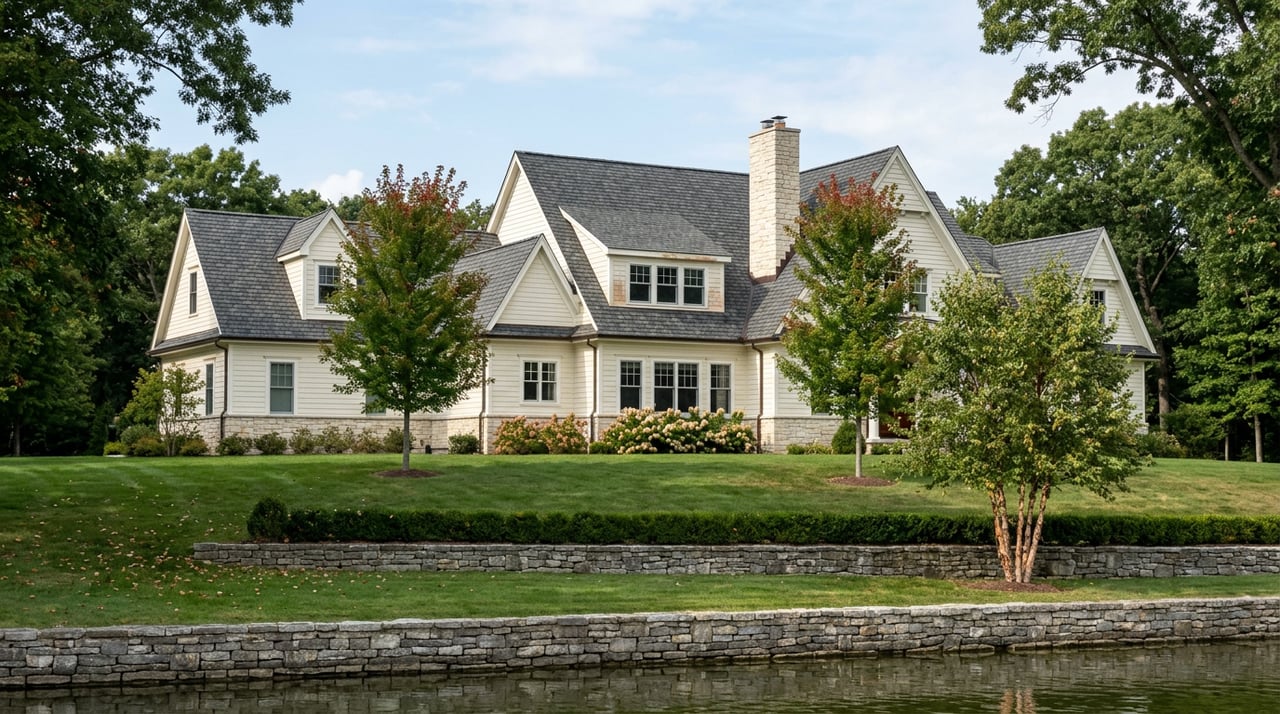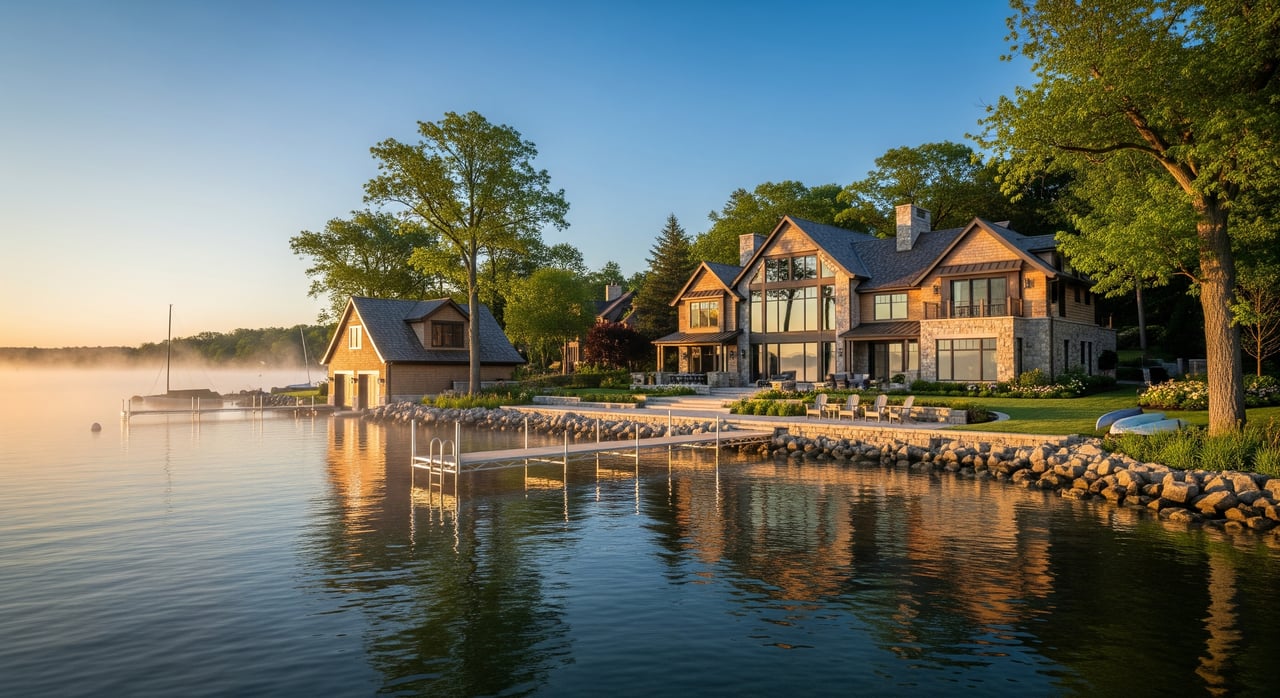
You found a Lake Country shoreline you love, but where does your ownership stop and the public’s right to use the water begin? Buying on Pewaukee, Okauchee, Nagawicka, or Lac La Belle comes with unique rights and rules you do not see on non-waterfront homes. If you understand riparian rights, the ordinary high‑water mark, and permitting, you can buy with confidence and avoid surprise costs. This guide breaks it all down and gives you a clear due‑diligence checklist tailored to Waukesha County. Let’s dive in.
Riparian rights in Wisconsin
Riparian rights are the rights you have because your land touches a waterbody. In Wisconsin, those rights include access to the water, reasonable use for recreation and boating, and the ability to place certain structures if allowed by law. These rights are shaped by Wisconsin’s public‑trust doctrine and state regulations in Chapter 30 of the statutes.
- The state holds navigable waters in trust for the public up to the ordinary high‑water mark (OHWM). That means people can navigate, fish, and recreate on the water but cannot enter private land above the OHWM without permission.
- Many activities in or near the water require authorization. Start with the Wisconsin DNR’s overview of Waterways and permitting and the state’s legal framework in Wisconsin Statutes Chapter 30.
Public trust and the OHWM
The ordinary high‑water mark (OHWM) is the legal shoreline used for many ownership and permitting decisions. It is the point on the bank or shore where water commonly rises, leaving a clear physical mark. Land above the OHWM is typically private upland. Land below, where the lakebed lies in a navigable lake, is generally owned by the state for public use.
In practice, the OHWM can be shown on a current survey or identified by field inspection. If the line is unclear, a licensed surveyor or the DNR can help determine it.
What you own vs. what is public
When you buy a lakefront parcel in Waukesha County, you typically own the land up to the OHWM. Your bundle of riparian rights allows you to reach the water and make reasonable use of it, as long as you do not harm public rights or neighboring riparian owners.
- You usually do not own the bed of a navigable lake. The state holds it for public trust purposes.
- Your dock, pier, or shore protection may be privately owned, but their placement and design often require permits.
- Your rights can be affected by recorded easements, association covenants, or deed language. Always verify the recorded documents.
What you can do on the shore
Your plans should match what is allowed under state law and local rules. A few common examples:
- Piers, docks, and moorings. These are typical riparian uses. Many routine piers are allowed if they meet statewide standards, while others need permits. Start with the DNR’s Waterways guidance and confirm local requirements.
- Boathouses. Rules for boathouses are often more restrictive than for simple piers. Expect permits and local zoning limits.
- Shoreline stabilization. Rip‑rap, seawalls, and regrading affect habitat and public waters. Many projects require state authorization under Chapter 30 and local shoreland permits.
- Fill or major shoreline changes. These almost always require individual permits and a professional design.
Local factors in Waukesha County
Lake Country is home to beloved lakes like Pewaukee, Okauchee, Oconomowoc, Lac La Belle, and the Nemahbins. Each lake can carry unique considerations:
- Public access points can influence traffic, wake patterns, and weekend activity.
- Lake associations and municipalities may have rules on boat size, speed, wakes, and shared docking. Check association bylaws and local ordinances before you make plans.
- Waukesha County enforces shoreland zoning standards. Confirm setbacks, impervious surface limits, and shoreland definitions with county staff and the municipality where the property lies. Begin with the county’s Planning & Zoning resources.
Common buyer scenarios
The listing says “riparian rights included”
Treat it as a starting point, not proof. Read the deed and any recorded covenants to confirm no rights have been reserved or transferred. Ask for a recent survey that shows the OHWM.
The seller says “dock included”
Verify location, permits, and whether the dock is private or shared. Ask for DNR and local permit records and confirm compliance with current rules. Unpermitted docks may require removal or a new permit application.
You want a new pier or boathouse after closing
Expect to work with the DNR on permits for any structure in or below the OHWM and with the county or municipality for shoreland zoning. Some small, standard piers may be allowed under general conditions. Larger projects usually need individual review.
The shoreline or boundary looks different year to year
Gradual changes can shift the upland edge over time, while sudden changes typically do not. If the OHWM or boundary is in dispute, hire a licensed surveyor to monument the line and consult a real estate attorney if needed.
Due‑diligence checklist for buyers
Use this list before you write an offer or include it as contingencies.
Request these documents
- Current ALTA or boundary survey that shows the OHWM, shoreline structures, and setback lines.
- Full deed and any recorded easements, covenants, or plats that affect shoreline use.
- Permit history for shoreline structures: DNR Chapter 30 permits and county/municipal shoreland or zoning permits. Ask the seller for copies and verify with agencies.
- Preliminary title report with exceptions for any public access, shared rights, or reserved riparian rights.
- Lake or homeowner association documents, including bylaws, rules, assessments, and dock‑use agreements.
- Records for shoreline work, such as stabilization contracts, maintenance logs, or past enforcement correspondence.
Ask the seller or listing agent
- Is there a recent survey with the OHWM shown?
- Are riparian rights expressly included in the deed? Any past disputes over lakebed ownership or access?
- Which shoreline structures are present, and were permits obtained? Are they compliant today?
- Is the dock private or shared? What is the recorded agreement for maintenance and costs?
- Any known shoreland or zoning violations or pending enforcement?
- Has the shoreline changed recently, or have there been recurring high‑water issues?
- What lake rules should I know about, including boat size, speed, wakes, fireworks, or fishing access?
Who to contact
- Wisconsin DNR Waterways/Permitting staff for Chapter 30 authorizations, OHWM questions, and navigability status. Start at DNR Waterways.
- Waukesha County Planning & Zoning and your city, village, or town zoning office for local shoreland rules and permit records. See Waukesha County Planning & Zoning.
- A licensed land surveyor to identify and monument the OHWM on a current survey.
- A title company for recorded easements and exceptions, and a Wisconsin real estate attorney for deed interpretation or dispute resolution.
- Local lake associations for lake‑specific rules and community history.
- University resources for education, like UW‑Extension Lakes, for homeowner guides on shoreland management and best practices.
How permits typically work
Many waterfront activities fall under Chapter 30. The DNR reviews structures below or near the OHWM and projects that could affect navigation or habitat. Local governments review shoreland zoning standards such as setbacks and impervious surface limits. You often need approvals from both.
- Start early. Permits can take time, especially for individual reviews or complex sites.
- Expect to provide surveys, site plans, and construction details. Professional design may be required for stabilization projects.
- Keep records. Future buyers will want proof that work was permitted and compliant.
Shared docks and easements
Smaller lakes and tight shorelines often rely on shared docks or community moorings. If a dock is shared, the rights must be recorded. A good agreement clarifies maintenance, replacement, slip allocation, and liability. Lack of a written, recorded agreement can lead to conflict. Ask to see the recorded documents and confirm that what you see on the water matches what is written.
Practical tips for Lake Country buyers
- Walk the entire shoreline during your showing. Look for OHWM clues, stabilization work, and neighboring encroachments.
- Match the listing’s claims to documents. If the listing says “riparian rights” or “dock included,” find the proof in the deed, permits, and survey.
- Think through summer weekends. Public access points and long no‑wake zones can change your boating experience.
- Budget time and funds for compliance. Bringing a nonconforming structure into compliance can involve engineering, permits, and construction.
Work with a Lake Country specialist
Waterfront purchases are different. You deserve guidance that balances lifestyle and legal details. If you are weighing homes on Okauchee, Oconomowoc, Pewaukee, or the Nemahbins, we will help you verify the OHWM, permits, and association rules so your plans match the property’s realities. Ready to tour by boat or walk a shoreline with a careful eye? Schedule a conversation with Kimberly Stark of Kimberly and Co. Real Estate for local insight and a calm, concierge process.
Important note
This guide is for education only and not legal advice. For legal interpretation or disputes, consult a Wisconsin real estate attorney, a licensed land surveyor, and the Wisconsin DNR.
FAQs
What are riparian rights for Wisconsin lakefront owners?
- Riparian rights are the rights you have because your land touches a waterbody, including access and reasonable use, limited by state law and the public‑trust doctrine under Chapter 30.
What is the ordinary high‑water mark (OHWM) and why does it matter?
- The OHWM is the legal shoreline separating private upland from state‑owned lakebed on navigable waters; it guides ownership, permits, and where public rights apply.
Do I own the lakebed in front of my Waukesha County home?
- On navigable lakes, the state holds title to the lakebed for public trust uses, while you typically own the upland to the OHWM.
Do I need a permit for a pier or boathouse in Waukesha County?
- Many piers are allowed under statewide standards, but others and most boathouses need authorization; check DNR Waterways guidance and local shoreland zoning before work.
How can I confirm my dock is legal and transferable?
- Match what is on the water to a recent survey, review DNR and local permits, and confirm any shared or exclusive rights in the deed and recorded agreements.
Who should I contact for riparian questions before I write an offer?
- Start with DNR Waterways staff, Waukesha County Planning & Zoning, the municipal zoning office, a licensed surveyor for the OHWM, and a title company for recorded easements.