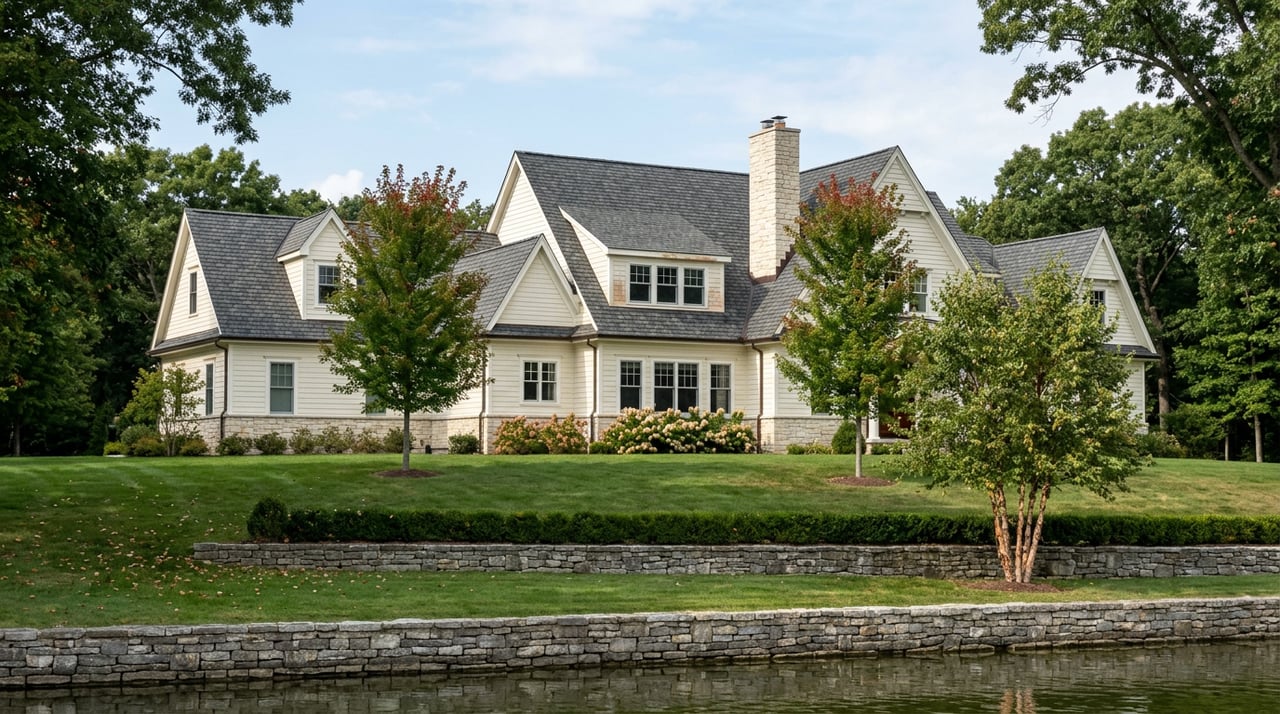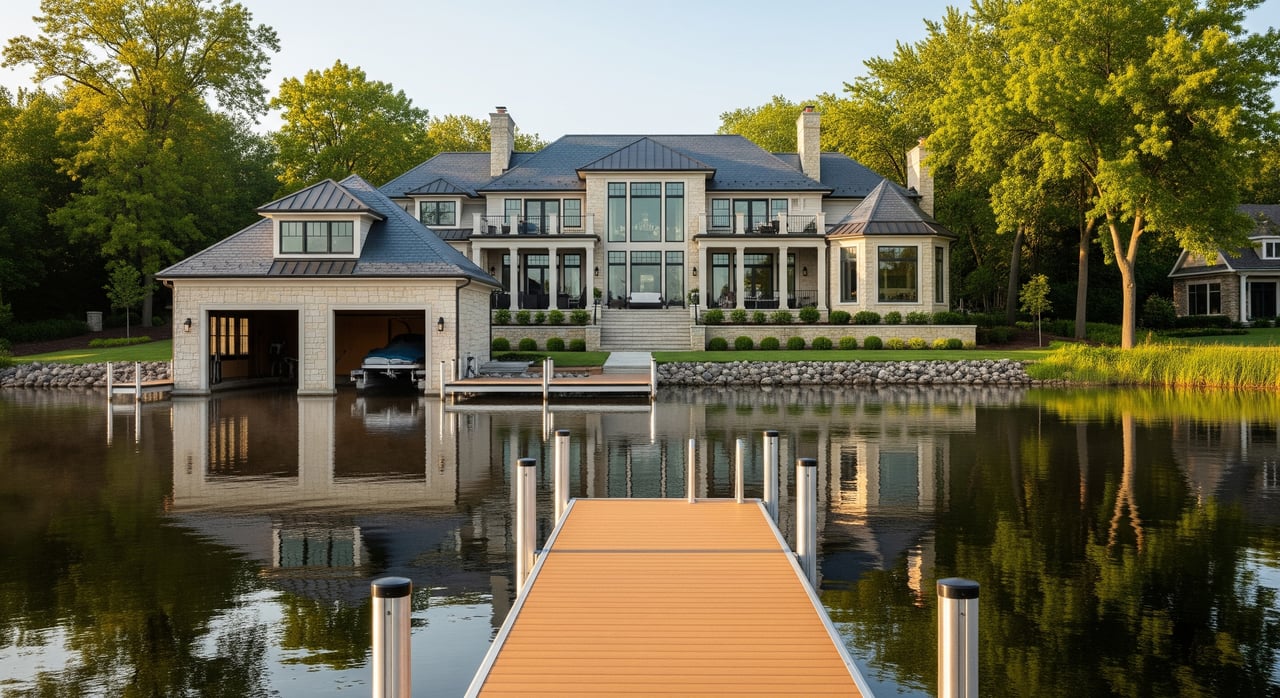
Thinking about selling your lakefront home in Oconomowoc and wondering how to price it right? Lake property doesn’t follow the same rules as a typical neighborhood sale. Every shoreline foot, view line, and permit can shift your value. In this guide, you’ll learn the Oconomowoc-specific factors that matter most, how to build the right comp set, and the documents to assemble so you can launch with confidence. Let’s dive in.
Oconomowoc lakefront market at a glance
Lakefront inventory is limited in Oconomowoc and across Waukesha County. That low turnover means each sale has a big impact on pricing expectations. Buyers include year-round residents, weekenders from the Milwaukee and Chicago suburbs, and downsizers seeking a low-maintenance lake lifestyle.
Sales activity concentrates from late spring through early fall. Comps from these months often reflect peak buyer motivation. Treat each lake in Oconomowoc as its own micro-market. Same-lake sales carry the most weight, and even specific shore segments can behave differently.
The features that drive price
Waterfront frontage
Frontage is often the single most cited numeric factor. Buyers and appraisers look at usable frontage, not just what the deed says. Steep bluffs, wetlands, or heavy vegetation reduce effective frontage and can lower value.
When same-lake comps exist, price-per-front-foot comparisons and paired-sales analysis help isolate the impact of frontage. Measure accurately and document how you calculated usable shoreline.
Lake size and connectivity
Larger, navigable lakes and connected systems generally command higher premiums than smaller, isolated waters. Proximity to public access points and overall boating patterns influence demand. In Oconomowoc, treat each lake as a distinct market and avoid broad averages across different water bodies.
Water quality and aquatic conditions
Clarity, algae blooms, and invasive species are material to buyer perception and use. Anglers also pay attention to fishery quality. If available, assemble recent lake health reports. Buyers will ask about water clarity trends and any aquatic plant management activities.
Shoreline character and stabilization
Natural shoreline with healthy buffers appeals to some buyers, while others prefer hardscaping or seawalls for dock stability. The condition and permitting of shoreline improvements affect cost-to-replace and insurability. Unpermitted alterations can become a pricing and negotiation issue.
Dockage and boathouse capacity
Number and size of docks, covered slips, and any boathouse structures can meaningfully move value. Note whether they’re private and deeded, part of an association, or leased through a marina. Be clear about what is included in the sale and whether features are permitted or grandfathered.
Orientation and views
West or southwest-facing parcels often earn premiums for sunset views. Long, unobstructed sightlines across open water are typically more valuable than views blocked by vegetation, structures, or islands. Drone photos can help demonstrate the true view corridor.
Lot topography and buildability
Usable yard space between the house and shoreline, slope, and expansion potential all influence value. Wetlands, steep slopes, and large setbacks reduce buildable area. Check local zoning and shoreland regulations before assuming additions or new structures are feasible.
Utilities, septic, and access
Municipal water and sewer versus private well and septic can change buyer demand and future costs. Age and condition of septic systems matter. Year-round road access, plowing, and proximity to services influence both marketability and price.
Structure condition and updates
Interior and exterior updates follow normal valuation rules, but lake-specific features can carry outsize weight. Outdoor living spaces that frame the view, like decks and screened porches, are especially compelling. Energy efficiency and HVAC upgrades are important for year-round buyers.
Access, HOAs, and rules
Private, deeded shoreline with clear riparian rights is typically more valuable than shared or common access. HOA or lake association rules about docks, boat size, or fees can influence demand. Provide all governing documents and any current dues or assessments.
Build your comp set the right way
Start with same-lake sales from the last 12 to 24 months. If inventory is too thin, expand to nearby lakes with similar size, water clarity, boat traffic, and proximity to services. Avoid mixing dissimilar lakes in one valuation.
Use the sales comparison approach first, then paired-sales analysis to isolate the effect of one feature at a time, like an extra 10 feet of frontage or the presence of a boathouse. The cost approach can help establish a lower bound for very unique lots, while the income approach is only relevant if your property has documented rental income.
Document your adjustments. Show how frontage, orientation, docking, shoreline improvements, septic, and updates were factored. Clear rationale builds credibility with buyers and appraisers.
Pricing steps for Oconomowoc sellers
- Clarify goals and timing
- Identify your ideal timeline and any constraints. Late spring to early summer aligns with peak buyer activity, but a well-documented listing can succeed in any season.
- Measure and verify frontage
- Pull the deed and plat. If available, use a recent survey to confirm shoreline measurements. Note usable frontage and any limitations.
- Gather permits and approvals
- Assemble documentation for docks, boathouses, seawalls, riprap, and any shoreline alterations. Confirm whether features are permitted or grandfathered.
- Assess utilities and septic
- Collect recent septic inspection reports and any well or municipal connection records. Buyers will factor age and condition into price.
- Compile same-lake comps
- Focus on the most recent, similar sales from your lake. Note sale price, front footage, orientation, dockage, shoreline type, and property condition.
- Adjust for key differences
- Apply price-per-front-foot where applicable, with fixed dollar or percentage adjustments for dockage, shoreline improvements, water clarity, and view.
- Prepare marketing visuals
- Capture professional photos and drone imagery to document sightlines, orientation, and waterfront usability. Visual proof supports your pricing case.
- Confirm regulatory context
- Check local shoreland zoning, setbacks, floodplain status, and any wetland boundaries. Be prepared to discuss what can and cannot be expanded or built.
- Set a pricing band and launch plan
- Establish a tight range that reflects your documentation and comps. Plan for seasonal demand, showing strategy, and negotiation room based on recent same-lake outcomes.
Permits, floodplain, and disclosures
Shoreland zoning rules and waterway permits govern docks, seawalls, dredging, and shoreline alterations. Unpermitted work may require remediation or price concessions. Verify county and municipal requirements before listing.
Confirm floodplain status and any on-lot wetlands. Properties in flood zones may have insurance or elevation considerations. Be upfront about any known erosion or flood history.
Wisconsin sellers typically complete a Real Property Condition Report. Disclose known defects, septic issues, shoreline modifications, permit concerns, and encroachments. Transparent disclosures reduce the risk of renegotiation and post-sale issues.
Timing and launch strategy
Seasonality matters around Oconomowoc’s lakes. Listing in late spring or early summer can capture peak interest, although well-prepared listings perform in any quarter. Lead with documentation to justify your price: surveys, permits, septic reports, same-lake comps, and lake condition summaries.
Quality presentation helps deliver your target price. Professional photography, compelling lifestyle copy, and waterfront-focused visuals show the value of orientation, frontage, and dockage. Experiential showings, including on-the-water tours when appropriate, help buyers feel the lifestyle your home offers.
What to expect during appraisal and negotiation
Waterfront appraisals involve small data sets and unique features. Expect questions about frontage measurements, view corridors, and permits. Appraisers may lean on paired-sales analysis and prioritize same-lake comparables from the same season.
Be ready to provide your documentation package. Clarify what conveys with the sale, including docks, lifts, and buoys. Address any invasive species management or lake association assessments upfront to avoid late-stage surprises.
Ready to price with confidence?
When you bring the right comps, proof of permits, and a clear story about frontage, orientation, and usability, you give buyers and appraisers a solid reason to meet your price. If you want a locally grounded pricing strategy paired with premium presentation and concierge-level guidance, connect with Kimberly Stark of Kimberly and Co. Real Estate for a free consultation.
FAQs
How do I calculate usable frontage for an Oconomowoc lake home?
- Start with deed and plat measurements, then confirm on-site with a recent survey if available. Note any bluffs, wetlands, or vegetation that reduce practical access or views.
Which matters more for price: square footage or shoreline frontage?
- Both matter, but frontage and its usability often drive larger adjustments on lakefront homes than interior square footage, especially when comparing same-lake sales.
Do I need permits for docks or shoreline work in Waukesha County?
- Many docks, seawalls, riprap, and dredging activities require permits under shoreland and waterway rules. Verify county and municipal requirements before listing.
How does water quality affect lakefront pricing in Oconomowoc?
- Buyers respond to clarity, algae bloom history, and invasive species management. Better water conditions can support stronger prices and reduce buyer hesitations.
When is the best time to list an Oconomowoc lake home?
- Late spring through early fall typically sees the most activity, but a well-documented listing with strong comps can perform any time of year.
What documents should I prepare before pricing my lakefront property?
- Gather deed and survey, same-lake comps, dock and shoreline permits, septic reports, floodplain status, lake condition information, and any HOA or association rules and fees.